Setting the Scene

For those who may be interested in putting Meadows of Stone in historical context, we’d like to share these photographs (all in the public domain). These photos give some background to the story we conceived, in some cases showing actual physical locations where we placed our scenes. We also offer a thumbnail sketch of the VAD system which was in place throughout the war. Our heroine, Vallance Maguire joined the VAD in order to get to France to search for her brother… the springboard for our story.

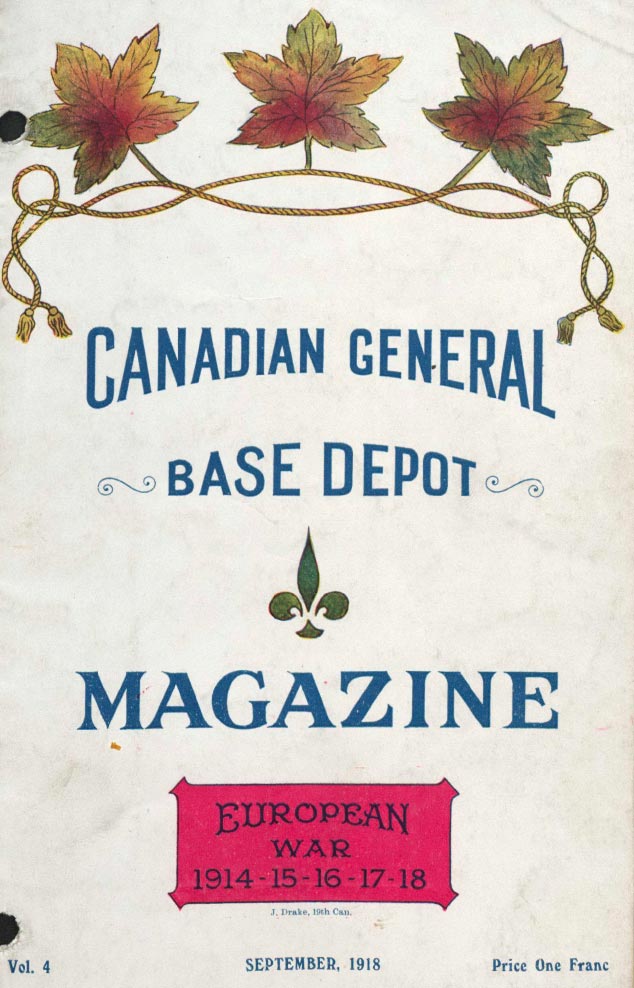
The Canadian General Base Depot was located at Rouelles Camp, near Le Havre, France. It acted as a holding and transit hub for Canadian reinforcements arriving from the UK. The camp even produced a magazine. Here is the cover page from the magazine issued in September 1918. This is the location Amy chose for the office of Major Bancroft, where Vallance Maguire came to see him in late July, 1918.

shadow separator 100

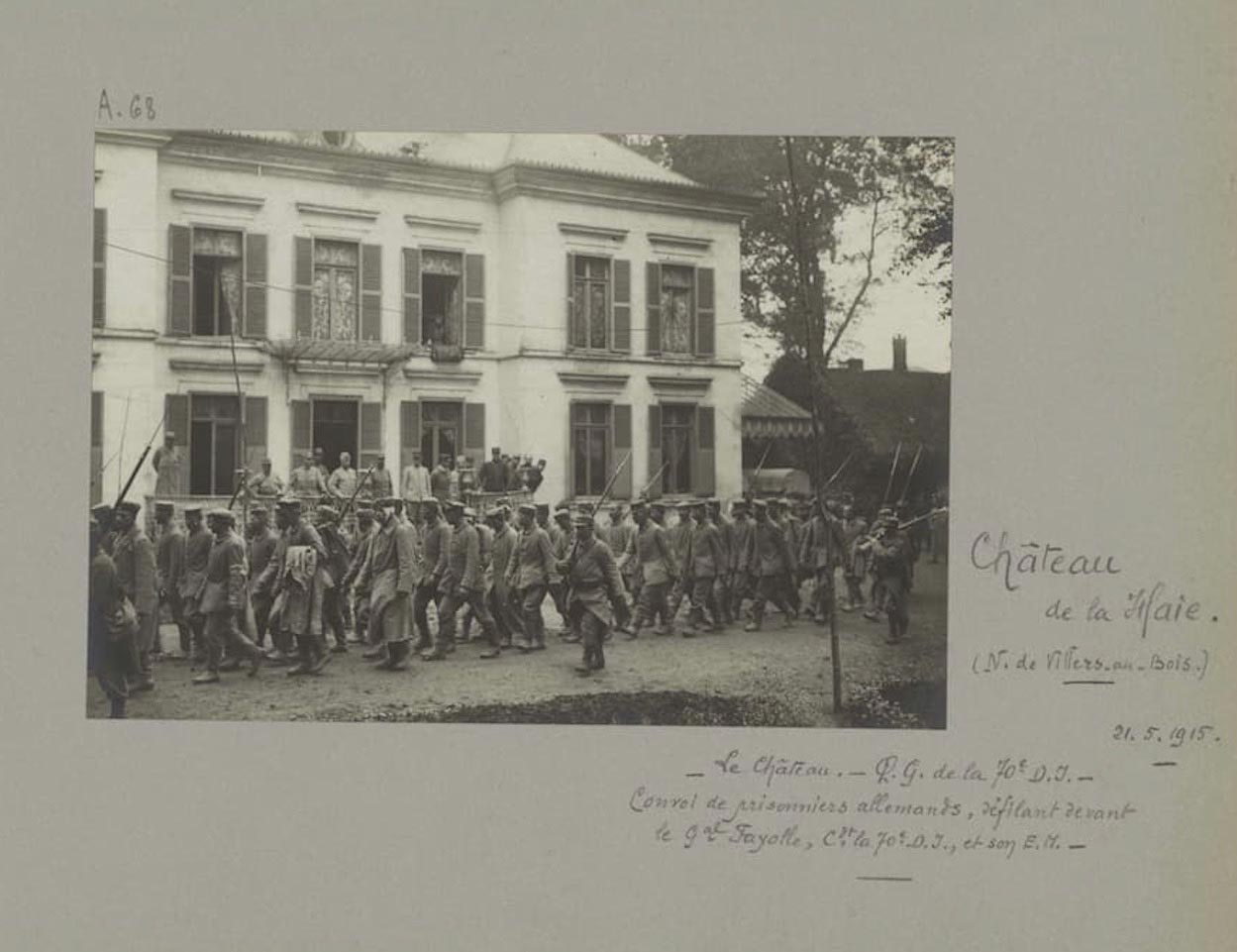
Chateau de la Haie, originally a private residence, was in use by French troops during the war until the British military took over the Arras sector. The CEF had several camps at the Cheateau, including the 102nd battalion, which was stationed here for several months near the end of the war. Amy chose this location as the last known whereabouts of Vallance’s brother, Corporal Garrett Maguire. Reading about the 102nd battalion at the Chateau gave Amy the idea to make Vallance’s brother a member of this battalion. It fit perfectly with script elements which she and Jim devised regarding Vallance’s trip to pick up the ambulance there and also for Vallance to meet up with Garrett’s closest friend in the 102nd, Sgt McMurphy.

shadow separator 100

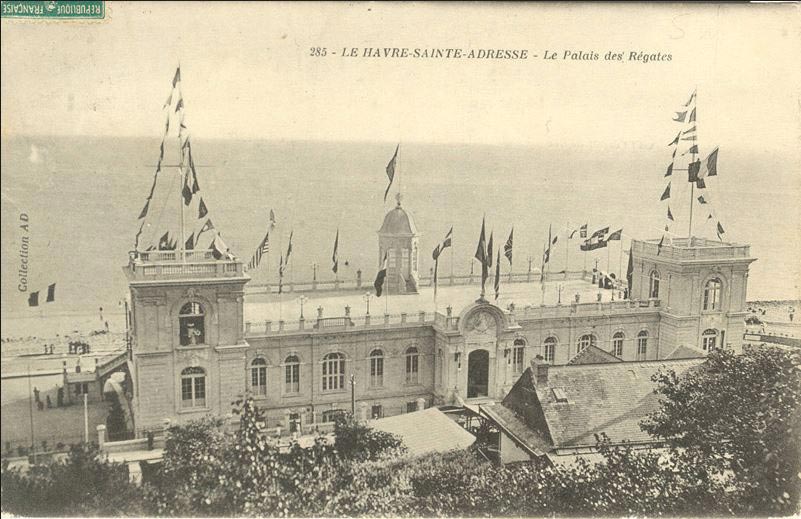
Le Palais des Régates in Le Havre became the No. 2 General Hospital during WWI. This is the setting for many of the scenes in Meadows of Stone.

shadow separator 100

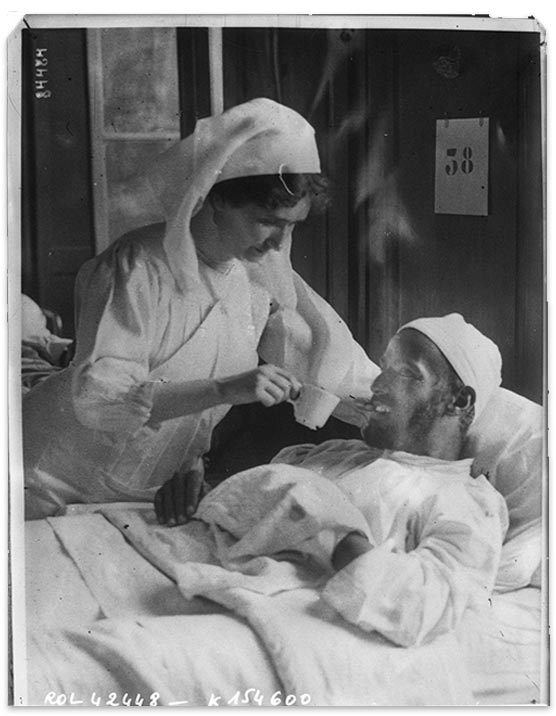
This is one of many popular, staged photos of Voluntary Aid Detachment nurses with soldiers, sent out during the war to promote a pristine, unsullied, morally acceptable atmosphere for the (mostly) young VADS who came to serve. It was a time when women were being idealized as angels: virtuous, fragile, delicate, feminine, moral leaders in need of male protection. It was a tough image to promote against the backdrop of the conflict, but the War Office needed their services.

Many of these VADs were leaving their homes for the first time. They learned very quickly that all was not pristine, unsullied… it was horrific, terrifying, bloody… but those at the top did not want the public at large to be concerned about their young women being involved in anything too unpleasant, so many staged photographs like these were published to put the public at ease. To complete this public deception, VADs were prohibited from sending any letters home which contained details of their work and their new, emancipated daily lives that would tarnish this image.

shadow separator 100

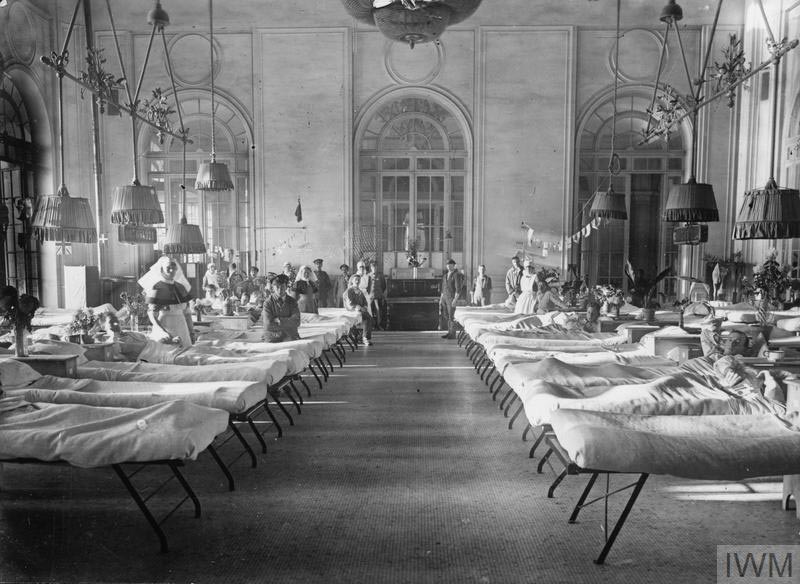
This is the type of hospital scene which would have awaited Vallance Maguire when she arrived at the No. 2 General Hospital in Le Havre. It’s also the scene that Amy and Jim imagined for Captain Arnott, as he lay ill with “Spanish Flu”.

shadow separator 100

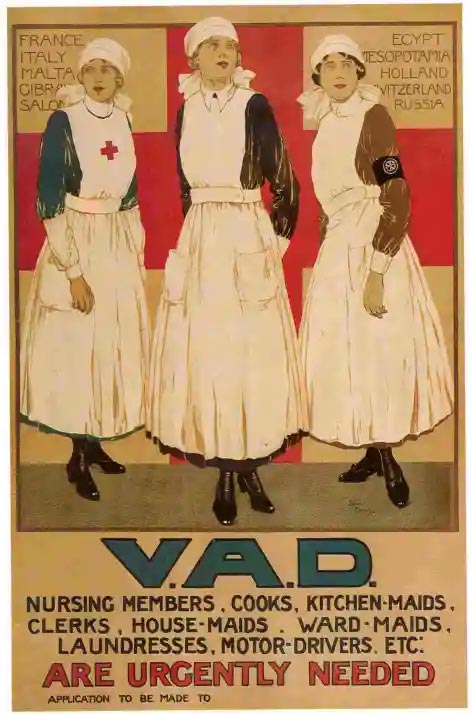
One of many recruiting posters used for the Voluntary Aid Detachment. VADs were female volunteers recruited to provide unpaid labour for the war effort. “That means not getting paid!” as Vallance Maguire tells the audience at the beginning of Meadows of Stone.

The VAD system was founded in 1909 by the British Red Cross and Order of St. John at the request of the War Office. Approximately 2000 Canadian women became VADs and made a large impact with their services, performing essential roles as nursing aides, ambulance drivers and clerical staff. Most served in military convalescent hospitals within Canada; however, it is estimated about 500 traveled to France and worked in British military hospitals, many near the front lines. These women were often from very protected, higher class families, often transitioning from domestic lives to intense, physically demanding work. This is the background that Amy chose for Vallance Maguire. And yes, there were a few older, “mature” women who served, though principally it was younger women who chose to become VADs.

There is documentation that proves the existence of older women serving in the war effort. As the war dragged on, it was becoming less and less easy to find recruits –– both for the armies and for those who nursed them. This is another reason why Amy chose to set Meadows of Stone near the end of the war: It becomes more plausible for Vallance Maguire and Captain Arnott – both “of a certain age” – to be serving.

shadow separator 100

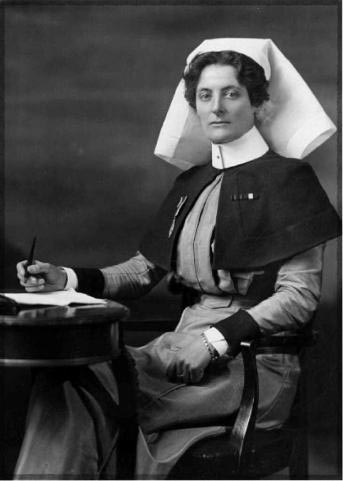
This was the uniform for a Principal Matron of Queen Alexandria’s Imperial Military Nursing Service, or QAIMNS. Amy used the design of the capelet shown here for her costume add-on as the Matron of the No. 2 General Hospital at Le Havre, Vallance Maguire’s boss.

shadow separator 100

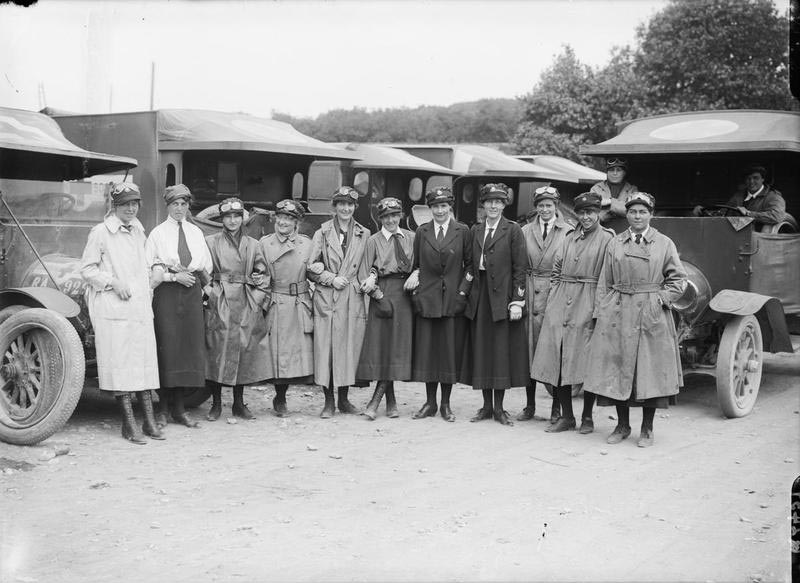
A group of British Red Cross Society Voluntary Aid Detachment (VAD) and First Aid Nursing Yeomanry Women’s Transport Services (FANY), female motor ambulance drivers at Etaples, 27th June, 1917. Amy used the designs of the women’s uniforms here when creating her look for Vallance as an ambulance driver.

Here’s a list of regulations – “Don’ts for VADs” – for the women who registered as VADs at Devonshire House in London. Vallance Maguire would certainly have been given this list.

DON’T talk about anything you hear in Hospital.
DON’T criticize anybody, but do all you can to see that your bit of work needs no criticism.
DON’T forget you are under Military discipline – therefore under absolute obedience to all seniors.
DON’T forget to stand up when seniors come into ward or room.
DON’T forget that when in uniform all members should be immaculately clean, trim and tidy.
DON’T forget that the outside public often judge the Association by the individual members.
DON’T forget that duty comes before pleasure.
DON’T expect your own particular feelings or likes to be considered. You are but one of many.
DON’T think you can pick and choose your own work at first. DO all that comes your way with your whole heart, and others will soon see what you are best fitted for.